does l carnitine decrease appetite
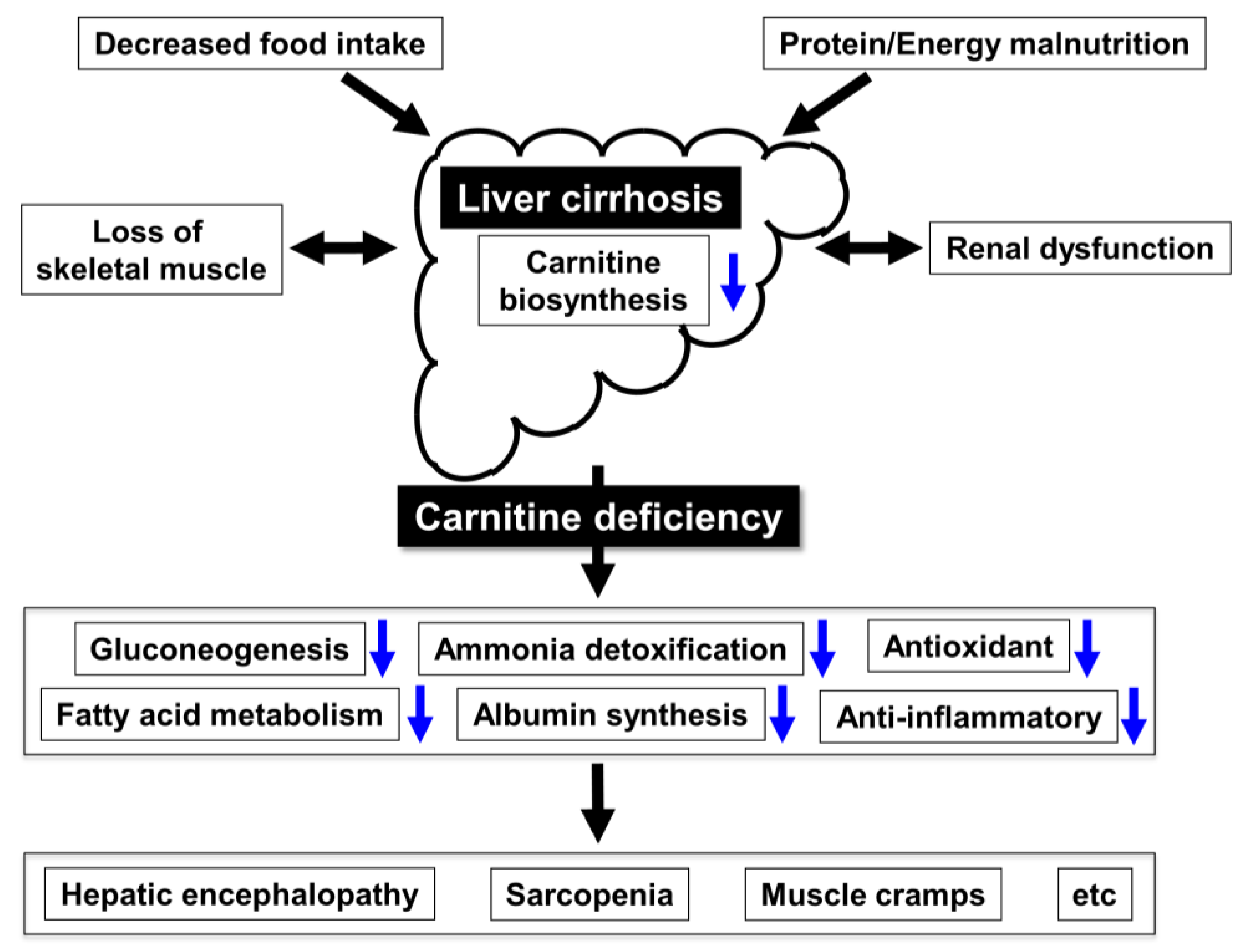
FIGURE 1 3.2 Metabolite–metabolite interaction network studies between metabolite fingerprints of diabetic cardiomyopathy patients The studied metabolite fingerprints of DCM (Table 3) analyzed by the STITCH database (Szklarczyk et al., 2016) at high confidence scores (≥70%) showed metabolite–metabolite interaction between them, such as isoleucine–leucine interaction (having a high confidence score of 0.999 or 99.9% including the homology, database, and text mining-based scores), alanine–glutamine interaction (having a high confidence score of 0.998 or 99.8% including the homology, database, and text mining-based scores), alanine–leucine interaction (having a high confidence score of 0.996 or 99.6% including the homology, database, and text mining-based scores), glutamine–leucine interaction (having a high confidence score of 0.996 or 99.6% including the homology, database, and text mining-based scores), isoleucine–L-valine interaction (having a high confidence score of 0.992 or 99.2% including the homology, database, and text mining-based scores), alanine–isoleucine interaction (having a high confidence score of 0.991 or 99.1% including the homology, database, and text mining-based scores), leucine–L-valine interaction (having a high confidence score of 0.987 or 98.7% including the homology, database, and text mining-based scores), glutamine–isoleucine interaction (having a high confidence score of 0.982 or 98.2% including the homology, database, and text mining-based scores), alanine–L-valine interaction (having a high confidence score of 0.976 or 97.6% including the homology, database, and text mining-based scores), glutamine–L-valine interaction (having a high confidence score of 0.951 or 95.1% including the homology, database, and text mining-based scores), cytidine triphosphate (ara-CTP)–glutamine interaction (having a high confidence score of 0.95 or 95% including the database and text mining-based scores), 7-keto-8-aminopelargonic acid (7-keto-8-amino.)–alanine interaction (having a high confidence score of 0.914 or 91.4% including the database and text mining-based scores), bilirubin–creatinine interaction (having a high confidence score of 0.876 or 87.6% including the text mining-based scores), creatinine–alanine interaction (having a high confidence score of 0.859 or 85.9% including text mining-based scores), bilirubin–alanine interaction (having a high confidence score of 0.851 or 85.1% including text mining-based scores), octanoylcarnitine (octanoylcarnit.)–decanoylcarnitine (decanoylcarnit.) interaction (having a high confidence score of 0.739 or 73.9% including homology and text mining-based scores), octanoylcarnitine (octanoylcarnit.)–hexanoylcarnitine (hexanoylcarnit.) interaction (having a high confidence score of 0.739 or 73.9% including homology and text mining-based scores) (Figure 1 Type:2 Pcs (3.5 OZ) L-Cysteine 500 mg Vegetable Capsules | Solgar® https://www.frontiersin.org/files/Articles/1702860/xml-images/fimmu-16-1702860-g001.webp Eco_Pre
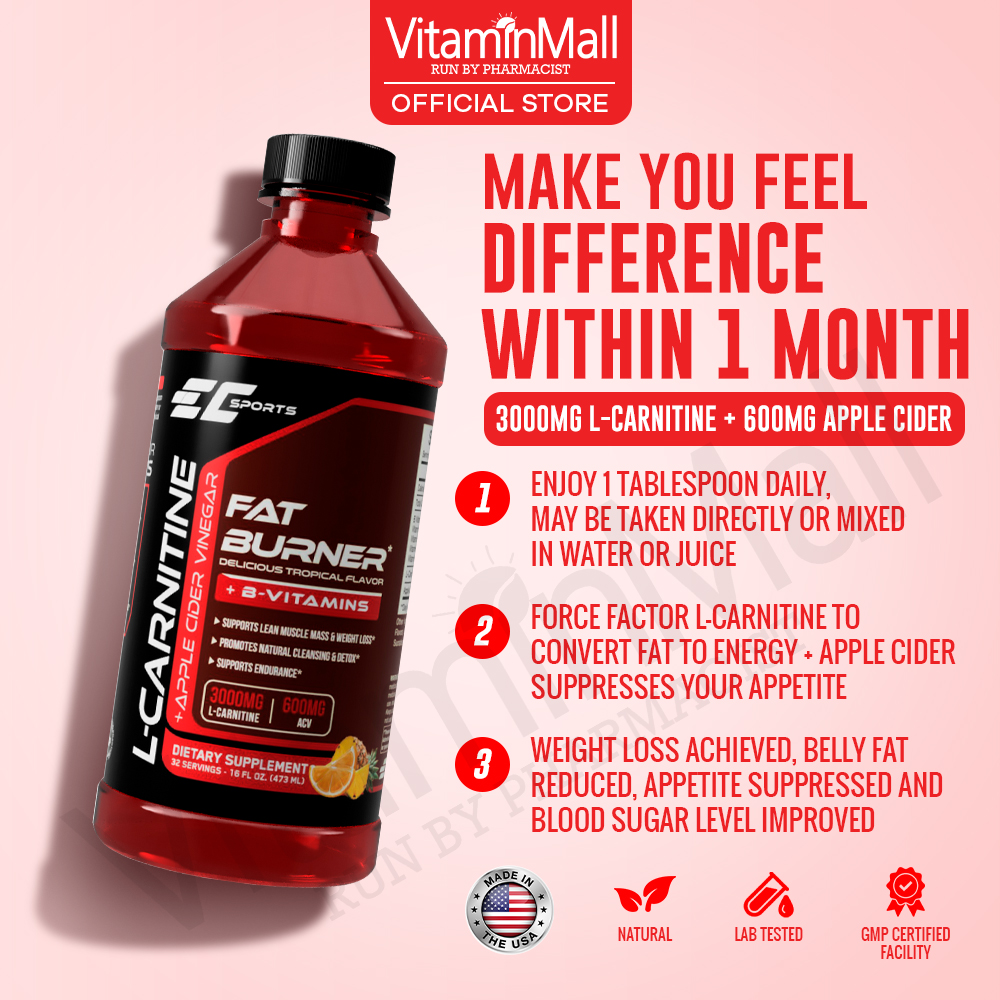



Non-Stimulant Fat Loss Stack
USD26.95

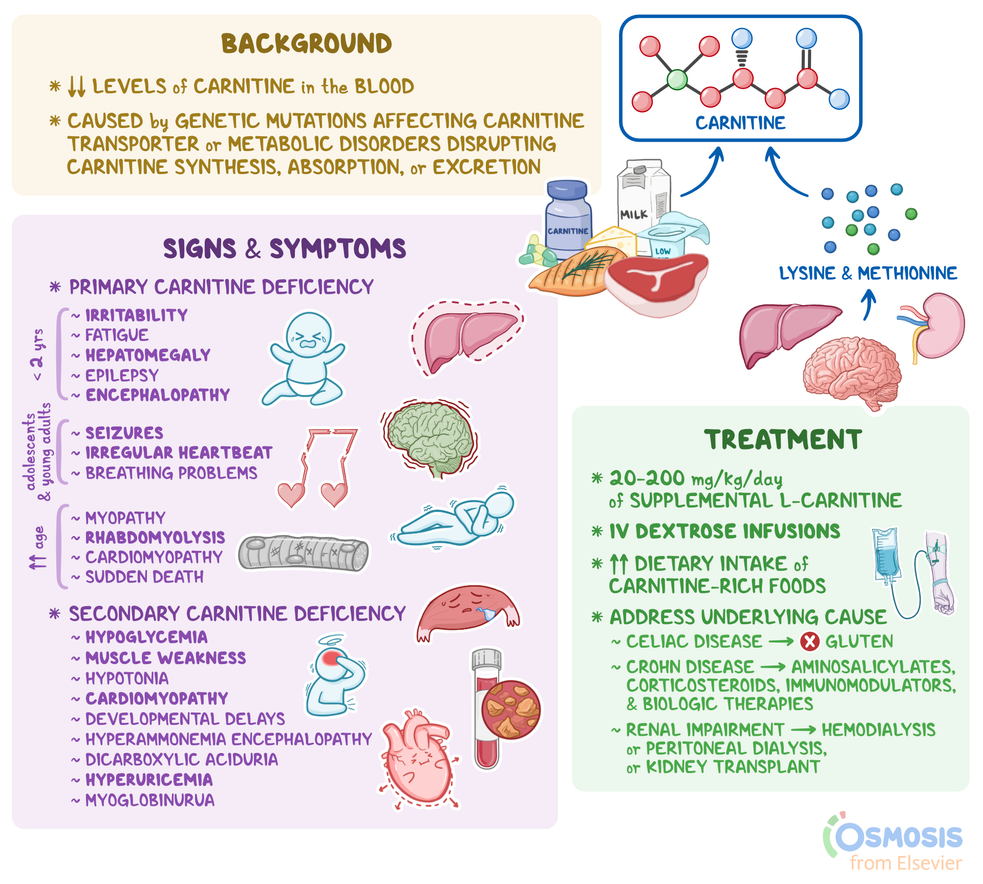





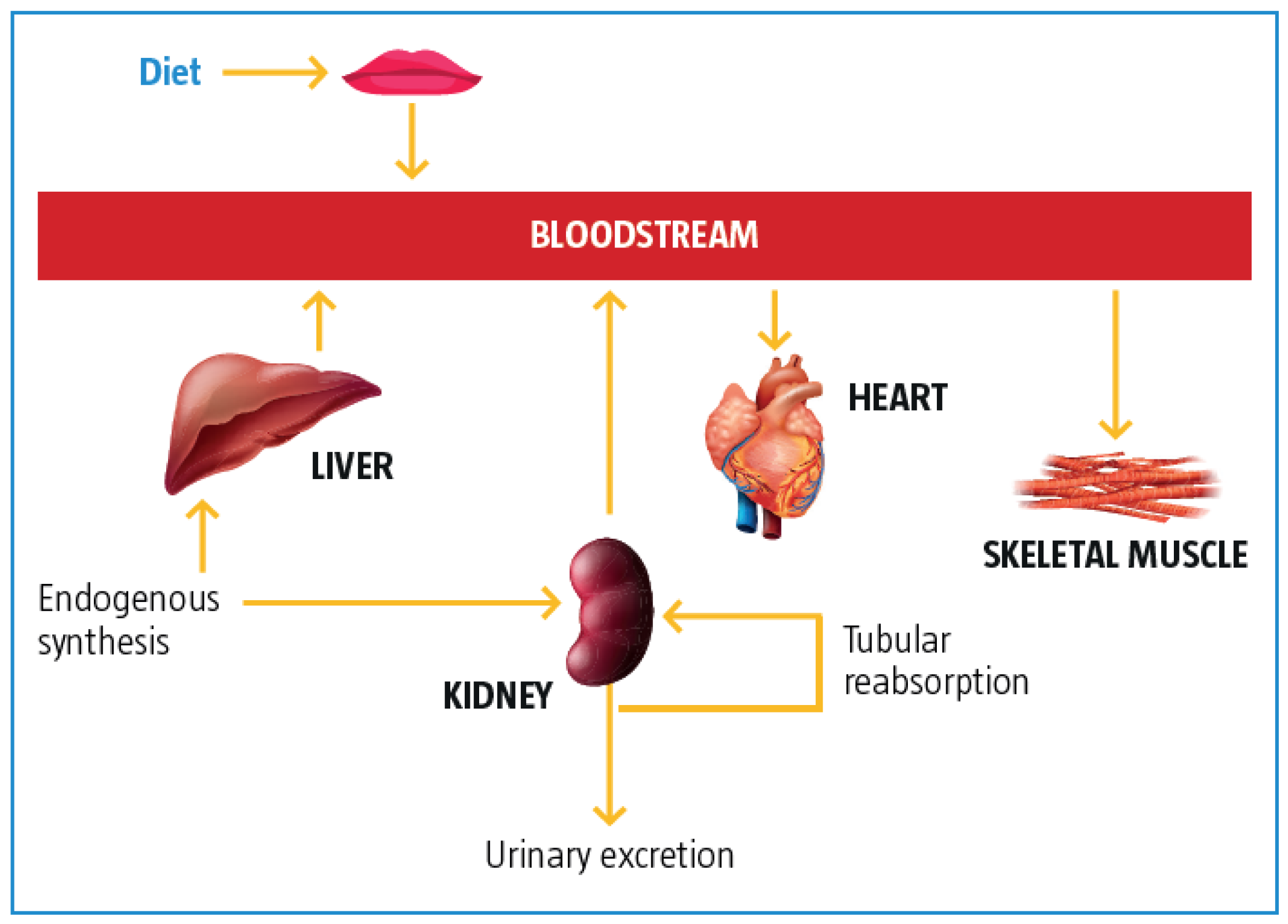
Frequently Asked Questions for does l carnitine decrease appetite The Role of L-Carnitine in Kidney Disease and Related Metabolic Dysfunctions
What should I do if checkout changes my selected option unexpectedly?
Review the total after restoring the intended option if possible. Contact the seller using the existing reference if an incorrect order resulted.
How can I choose an appropriate purchase quantity?
Confirm whether the displayed quantity refers to individual units or a grouped offering. Avoid assuming a larger quantity automatically provides better value.
How can I check whether a purchase involves ongoing commitments?
Look for the process described for managing an ongoing arrangement when one applies. Ask for clarification of deadlines that affect a disclosed commitment.